Homepage | Religion | How to apply for the Pope’s Apostolic Blessing
How to apply for the Pope’s Apostolic Blessing
15 September 2025
Reading Time: 5minutes
The Papal Blessing, also known as the Apostolic Blessing, is a special blessing bestowed for specific occasions. It is often associated with plenary indulgence, the remission of all temporal penalties due to sins.
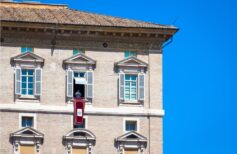
The Apostolic Blessing, also known as the Papal Blessing, is a special blessing recognised by the Catholic Church. It is called apostolic because it is granted directly or indirectly by the Pope, Bishop of Rome, whose church is named after the apostles Peter and Paul. We have written directly or indirectly, as the Pope can personally impart this blessing, confer it as part of a ceremony, or send it in writing to those who request it, following a particular procedure, which we will examine. The titular bishop or archbishop of a diocese, which is also its residential seat, or the titular priest of a diocese, can also dispense the Apostolic Blessing.
This particular blessing is requested on special occasions, such as weddings, baptisms, anniversaries, and other significant religious events.
The Apostolic Blessing is released on a special, artistic parchment, making it even more memorable. In this article, we will explore the process of applying for the Apostolic Blessing, its associated costs, and the individuals who can grant it.
How much does the Apostolic Blessing cost?
The cost of the Apostolic Blessing is not fixed and varies depending on the size and style of the parchment chosen. The costs mainly cover the production and shipping costs of the parchment.
To request the Apostolic Blessing, it is necessary to contact the Apostolic Alms Office Scrolls. This office is responsible for handling requests and issuing official scrolls. The Apostolic Almsgiving is the Office of the Holy See in charge of exercising charity towards the poor in the name of the Pope. In the early Church, it was the Deacons who were in charge of collecting offerings and redistributing them among the most needy; however, over the centuries, official institutions were established for this activity.
The Almoner of His Holiness, who has archbishopric dignity, is part of the Papal Family and participates in the liturgical celebrations and official audiences of the Pope. Under Pope Leo XIII, the Almoner was granted the faculty to issue the Apostolic Blessing on parchment, authenticated with his signature and the stamp of the office.
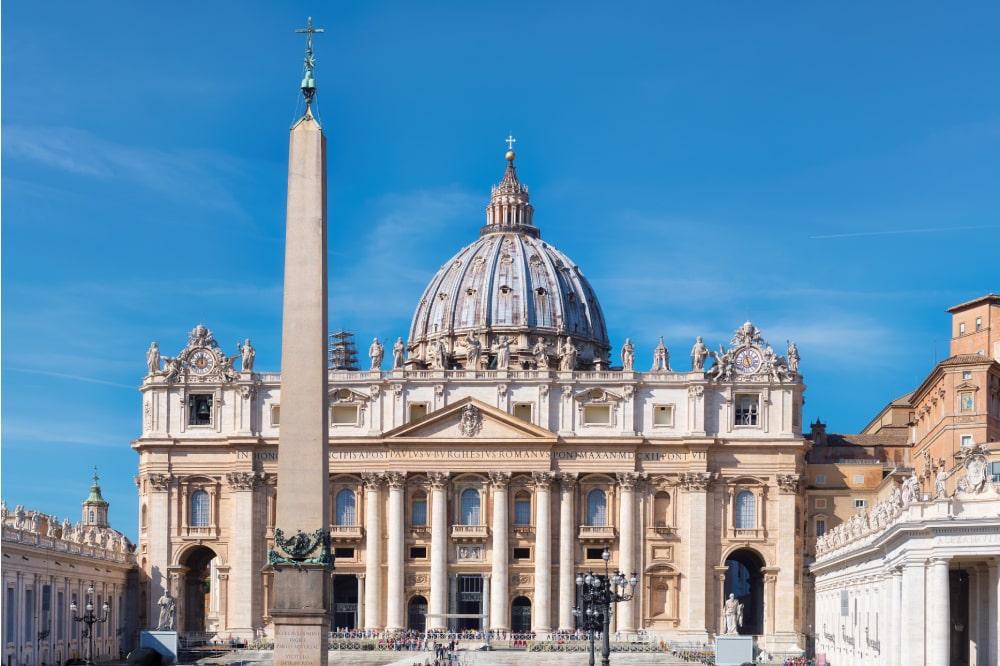
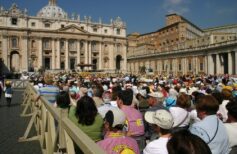
To obtain the Apostolic Blessing on parchment, you can visit the offices of the Apostolic Almsgiving in the Vatican, located in Sant’Anna’s Church (to the right of the Colonnade of St. Peter’s Square), or follow the online procedure. The only site authorised for online application is the official site of the Apostolic Almsgiving. In both cases, you can request the scrolls by choosing from various models available, for direct collection or shipment.
It is necessary to select the event for which the Apostolic Blessing is requested, the scroll model according to the occasion, and provide the details required for the compilation of the scroll. If you choose the online mode, you will also need to create a personal account for any future requests and select between collection in the Vatican (available only for requests from Rome) or international shipping via DHL express courier.
A donation is then made by credit card.
Delivery times for receiving your Episcopal Blessing are approximately 15 days for collection at the Almoner and about 20 days for shipping by DHL express courier.
Here is the link to the official page of the Apostolic Almsgiving to choose your parchment and carry out the online procedure: Apostolic Blessing request form.
Apostolic Almsgiving Contacts
For more information or assistance, you can contact Apostolic Almsgiving through the following channels:
Address: Apostolic Almsgiving, Cortile Sant’Egidio, 00120 Vatican City
Phone:
(+39) 06.69873279
(+39) 06.69871100
As for the costs of the Apostolic Blessing, the parchment ranges from €20.00 to €28.00, depending on the chosen model, to which are added any shipping costs of the DHL express courier. The costs of the Papal Blessing cover the diploma, the expenses of preparation and shipping and a contribution to the Pope’s charitable works. All revenues received from the Apostolic Almsgiving, in particular the offerings for the diplomas of Blessing, are entirely donated to charity. This Office uses these funds to directly help those in need who turn to the Successor of Peter for assistance every day.
Who can give the Apostolic Blessing?
Blessings have always accompanied the lives of the faithful with ancient formulas and rituals rich in significant gestures, often taken for granted, but deeply rooted in the millennial history of religion. The term blessing defines a liturgical Act, or a ceremony by which someone or something is blessed, such as the blessing of water, or even an Act of grace, a rite by which divine grace is invoked on the faithful, as in the case of the blessing urbi et orbi, the solemn papal blessing of the city of Rome and the world. The blessing is invoked by a religious minister, such as a bishop, priest, or deacon, to obtain God’s grace over a person or an object. It is an invocation of divine favour and benevolence on someone or something.
Apostolic Blessings are special blessings that can be imparted only by the Pope, currently Pope Francis, therefore, but also by a bishop or a minister of the same level.
Before the Second Vatican Council, even the blessing imparted by a priest during the Anointing of the Sick (formerly known as Extreme Unction) was considered a papal blessing. The papal blessing is granted on the occasion of some sacraments, such as Baptism, First Communion, Confirmation and Marriage. It is also granted on the occasion of the ordination of a priest, the profession of religious vows, the secular consecration of a layman, the permanent ordination of a deacon, significant wedding anniversaries (such as the silver or golden wedding anniversary) and important birthdays (such as the 18th, 50th or 100th).
Papal blessings, given by the Pope or a bishop, often include a plenary indulgence. The plenary indulgence is granted at special times, such as after receiving the Apostolic Blessing during particular sacramental and liturgical celebrations. Both are powerful means of grace in the Catholic Church. While the Apostolic Blessing invokes divine protection and grace, the plenary indulgence purifies the soul, eliminating the temporal penalties of sin. Both are profound expressions of God’s mercy and love, and have always been tools to strengthen the faith and spirituality of the faithful.
Freedom of religion is a fundamental human right, defined by many national constitutions. That's why it's so important. What is...
23 February 2026
What’s the Future of Religion?
What’s the Future of Religion?
A Beginner’s Guide to Christianity
A Beginner’s Guide to Christianity
Mind-Blowing Statistics About Christianity You Need to Know
Mind-Blowing Statistics About Christianity You Need to Know
7723
Enter the Holyart world: $20 discount voucher valid on over 60,000 items
Come and discover Holyart, the largest e-commerce of religious articles in Europe and immediately receive a $20 voucher to use with your first purchase.
Check your mailbox: you will receive your discount within 5 minutes