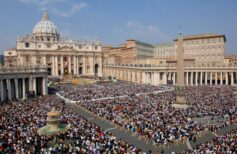
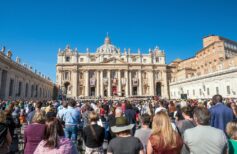
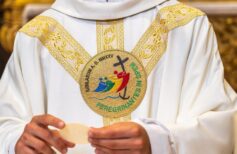
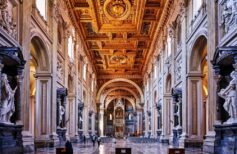
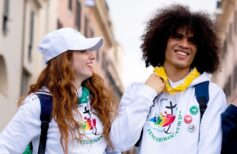
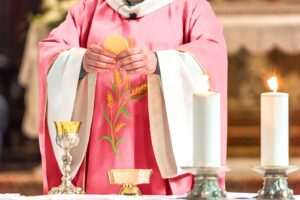
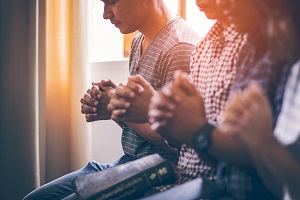
On 2 February 2024, at 5:30 p.m., the solemn Eucharistic Celebration presided over by the Holy Father Francis for the World Day of Consecrated Life will be held in the evocative setting of Saint Peter’s Basilica. A particularly significant event, since this year the Mass will be enriched by the participation of the members of the International Meeting of consecrated men and women, in preparation for the 2025 Jubilee that will have as its theme Pilgrims of hope on the path to peace. This meeting will offer a unique opportunity for dialogue, prayer and spiritual deepening for those who have dedicated their lives to the consecrated vocation.
The Day of Consecrated Life is a celebration established by the Catholic Church to honour and recognise the valuable contribution of men and women religious who have consecrated their lives to God through the vows of poverty, chastity and obedience. This day, which occurs annually on 2 February, coincides with the Feast of the Presentation of Jesus in the Temple, the evangelical episode in which Jesus was presented to the Temple according to Jewish tradition. This celebration, established in the fourth century AD, is crucial because it represents a significant point of connection between the story of Jesus, Christianity, and the cultural roots of Judaism. In the Old Testament, strict rules and precise ceremonies were prescribed upon the birth of a child into a family, especially if it was a male child. The Feast of the Presentation of Jesus in the Temple, therefore, not only celebrates a specific event in the life of Jesus but also recalls the deep roots in Jewish traditions, emphasising the importance of the purification rites and symbols of gratitude present in the Old Testament.
But when was the Day of Consecrated Life established? It was commissioned by Pope John Paul II in 1997 to recognise the fundamental role of men and women religious in the life of the Church and express gratitude for their dedicated service. On this day, many religious participate in liturgical events and spiritual retreats, while ecclesial communities often organise initiatives to show appreciation and support for religious. The World Day of Consecrated Life is not only a time of solemn prayer, but an opportunity to reflect on the call to consecrated life and to promote greater awareness in the Catholic community and beyond. Those who embrace the consecrated life are not only witnesses of divine joy and grace but also of communion.
The distinctive element of consecrated life is fraternal life in community: this is not only a tool for fulfilling the call but also an authentic response to the call of the vocation, not imposed but freely embraced. The fraternal life thus becomes the vehicle through which the vocation develops and is realised in the shared witness of the joy and love of God.
The meaning of consecrated life
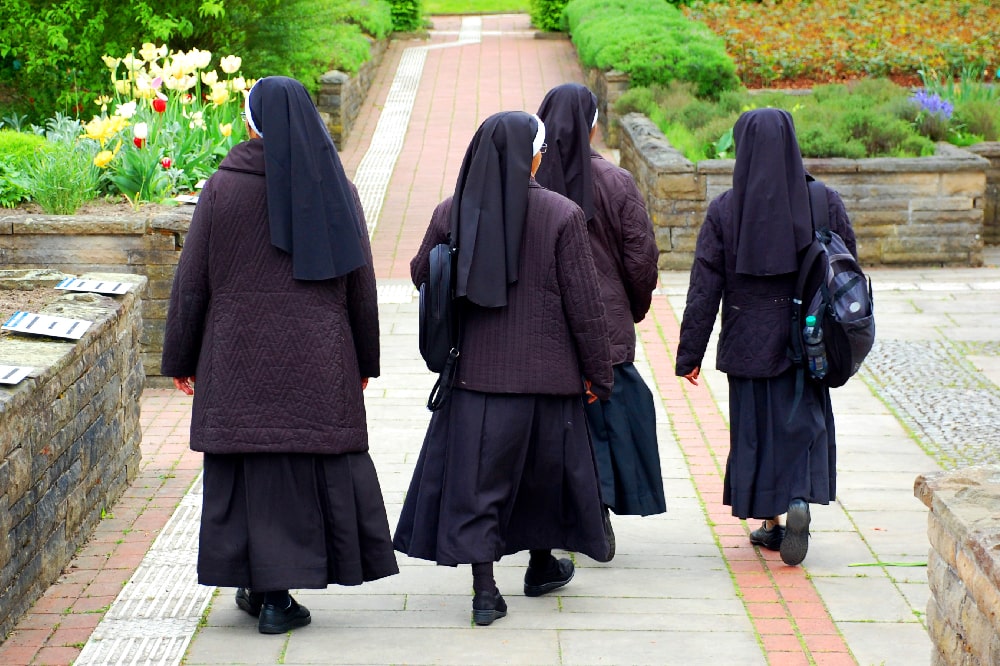
Consecrated life is a unique form of dedication to God manifested by men and women who choose to publicly embrace the three fundamental counsels: chastity, poverty, and obedience. These principles of life are called “evangelical” because they reflect the way of life of Jesus Christ, as described in the Gospels. Men and women who embrace this way of life can be clergy or laity, as long as they choose to dedicate themselves in a special way to God through the public profession of the evangelical counsels. The state of consecrated life is based precisely on this public profession of the evangelical counsels, not on apostolic action or everyday life, but on the imitation of Christ, on the response to His call. Evangelical counsels become binding only when they materialise through the juridical institution of the vow. Consecrated persons should not be confused with members of the clergy, that is, those who have received the Sacrament of Holy Orders, regardless of the state of life they have chosen.
Those who embrace the profession of the evangelical counsels often live within institutes of consecrated life, societies erected or approved by ecclesiastical authority, composed of individuals of the same sex or mixed. Institutes of consecrated life distinguish between religious and secular ones and, in turn, can be of clerical or lay nature. Religious Institutes represent “a society whose members, according to their own law, make public vows, perpetual or temporary, to be renewed upon expiration, and lead a fraternal life in community”. Consecrated persons embrace a state of life that implies a radical choice in Christ, at the service of the Lord and humanity, following the prophetic intuition of their Holy founders. Their mission is often guided by prayer and service to others, through the reception of the most fragile and needy.
Secular Institutes are distinguished from religious ones because their members remain in the world, without the obligation to lead an everyday life. In turn, they can be institutes of pontifical law or diocesan law, depending on whether they were erected by the Holy See or by the local bishop. The members of these institutes are committed to living the evangelical counsels, but in a more flexible context of everyday life, staying in their own homes. While remaining in the fabric of the world, they seek to embody deep spiritual principles through their daily lives.
How and when the World Day of Consecrated Life takes place
On 2 February of each year, in conjunction with the Feast of the Presentation of Jesus in the Temple.
The bond with the Candlemas
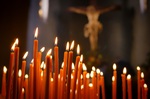
On 2 February, Candlemas is also celebrated, a festival that commemorates the triumph of light over darkness and symbolically marks the end of the Christmas holidays and the beginning of the Easter journey. Initially conceived as a Marian celebration, recalling the Purification of Our Lady, the feast subsequently acquired a Christological meaning, focusing on Jesus and his mission as Saviour of the world.
Equally significant is the popular dimension of this festival, witnessed by proverbs and customs rooted in the transition from winter to spring, which 2 February symbolises. Among these proverbs: “Dark candle of winter, you are not afraid” and “for Saint Candlemas, if it snows or rains, in winter we are out”. The festival of Candlemas is intertwined with the symbolic triumph of light over darkness, highlighted by the tradition of blessing and lighting candles. This rite not only illuminates physically, but marks a crucial passage, marking the end of the Christmas holidays and inaugurating the spiritual path to Easter.
Perhaps it is precisely in this desire to celebrate the light that Candlemas is linked to the Day of Consecrated Life. The choice of men and women to consecrate themselves to God is dictated by their awareness of being loved by Him, leading them to choose to embark on a life within a religious community. Religious consecration leads them to become for others a tangible sign of the presence of the Kingdom of God, an anticipation of the eternal joys of heaven, joys linked to the awareness of consolation and mercy. Consecrated persons experience this joy through the work of the Holy Spirit and the certainty of divine love for each individual.
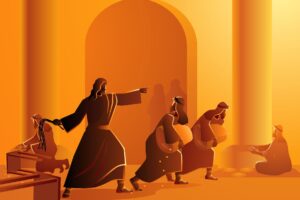
The expulsion of the merchants from the Temple of Jerusalem represents an act of rebellion by Jesus against a now...
25 February 2026
What’s the Future of Religion?
What’s the Future of Religion?
A Beginner’s Guide to Christianity
A Beginner’s Guide to Christianity
Mind-Blowing Statistics About Christianity You Need to Know
Mind-Blowing Statistics About Christianity You Need to Know
8537
Enter the Holyart world: $20 discount voucher valid on over 60,000 items
Come and discover Holyart, the largest e-commerce of religious articles in Europe and immediately receive a $20 voucher to use with your first purchase.
Check your mailbox: you will receive your discount within 5 minutes