Homepage | Religion | The Tradition of the Collection: How It Works Today
The Tradition of the Collection: How It Works Today
14 October 2026
Reading Time: 5minutes
An ancient and virtuous custom, the collection still constitutes a concrete gesture towards the Church today, as well as a sign of belonging, charity and Christian love.
The collection is the moment when the faithful make a concrete contribution to the needs of the Church through voluntary donations. This gesture of charity has a twofold meaning: on the one hand, it responds to the material needs of the Church; on the other, it represents a tangible expression of love and solidarity towards the community. The offerings collected during the collection are used for the upkeep of the church and to support various charitable causes.
The collection in church is an ancient practice deeply rooted in Christian tradition, which continues to play a significant role today. Through the collection, the faithful not only support the material needs of the Church, but also strengthen the bonds of community and faith, contributing on a practical level to creating a community of faithful and people, united by religion, but also by common and virtuous goals. This is an aspect that should not be underestimated in an age such as ours, in which it seems to have become difficult even to maintain civil and considerate relationships with one’s neighbours! Indeed, we will see how, despite changes in modern habits, the sacredness of the collection has remained unchanged and enables Christians to help the religious community, strengthening the sense of prayer and belonging. In this article, we will explore the meaning of the collection, the use of the collection bag in modern churches and the Offertory during Mass.
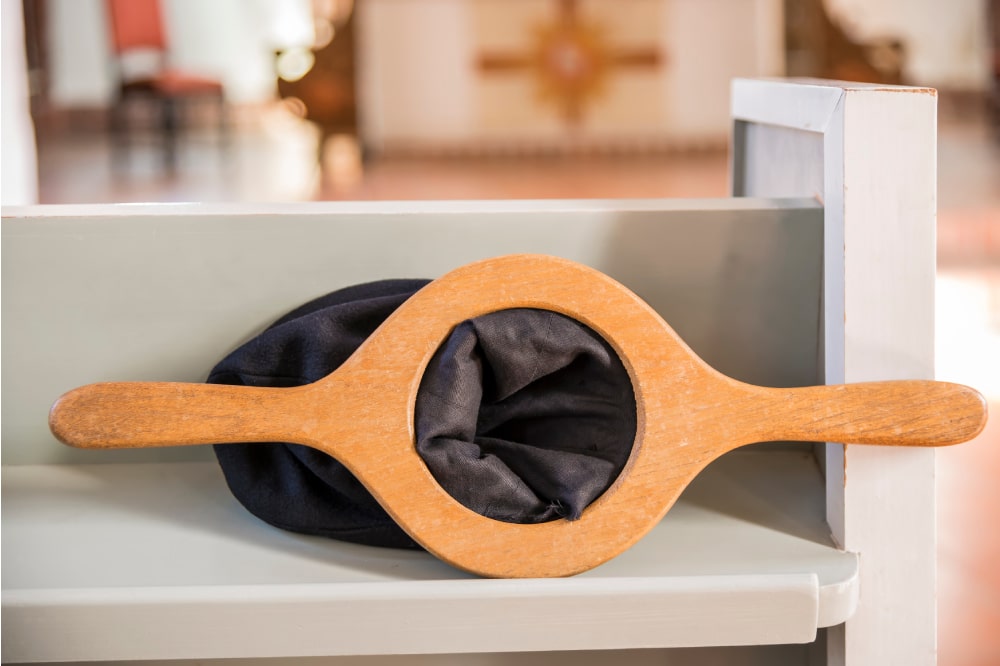
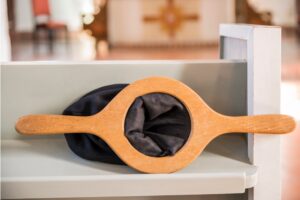
This elegant bag has a small opening in the top part.
Meaning of the Collection
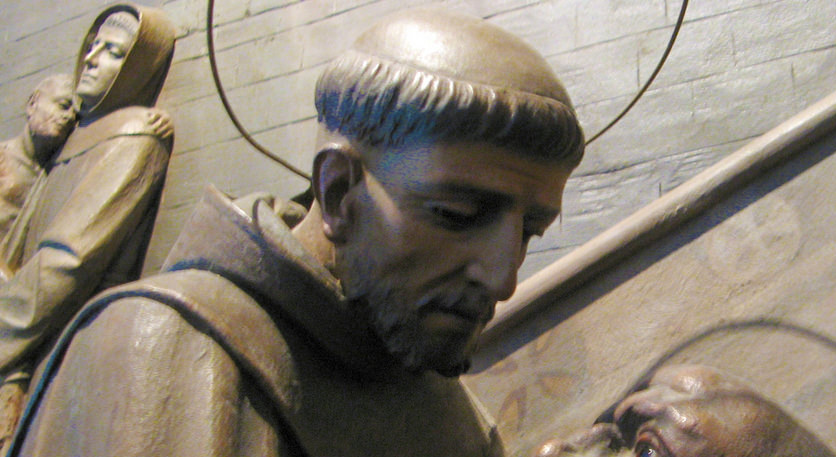
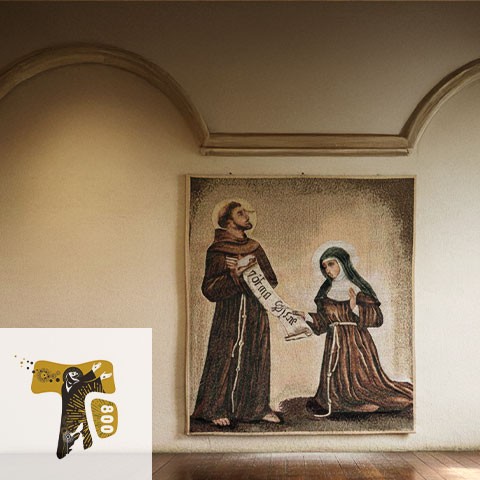
The collection is a practice consisting of collecting offerings from the faithful to support the activities and needs of the Church. In ancient times, this term referred to the work of the collectors, that is, monks belonging to the Mendicant Orders who were tasked with begging from door to door in order to provide for the upkeep of their fellow friars. We must bear in mind that the Mendicant Orders lived exclusively on the generosity of the devout. These orders flourished between the 13th and 15th centuries. The men who joined them embraced the concepts of humility, obedience andevangelical poverty. They practised itinerant preaching, travelling from village to village, often sleeping in the open air, and claiming a certain freedom from episcopal jurisdiction. Furthermore, they were united by deep brotherhood, which they also reflected in their behaviour towards everyone they encountered, all brothers and sisters in God. From these particular men of the Church comes the term friar, which distinguishes a member of a mendicant order from a monk. The first and most important among the Mendicant Orders were the Dominicans and the Franciscans, who, through their choice of faith and, above all, of lifestyle, completely overturned the monastic tradition. In fact, unlike monks, who lived enclosed in abbeys, dividing their time between prayer, work and contemplation, the Mendicants travelled throughout the world preaching the Word of God. Other Mendicant Orders subsequently emerged, such as the Capuchin Friars Minor, of which Padre Pio was also a member.
The meaning of the collection today, as in the past, lies in the act of generosity and sharing. While in the past offerings were intended to support the friars and often consisted not of money but of consumer goods, food, wine, clothing, and so on, over time the collection of money by the Church became a gesture to contribute to the upkeep of the parish, but above all a way in which members of the community voluntarily contribute to the common good.
The collection represents a concrete gesture for the Church, made by the faithful. The offerings are used for the maintenance of the church or for other specific causes of common interest to the parish community. But the collection is also an expression of Christian charity, a gesture of love motivated by the spirit of charity towards those who are less fortunate. As we have seen, the meaning of the collection was originally linked to the donation of food and basic necessities to the friars, who, in turn, often gave what they had collected to those who were even less fortunate and in greater need than themselves, to the poorest. This still happens today.
Bag for the collection of alms in artificial leather with handle in wood.
The Offertory during Mass
The Offertory is one of the central moments during the celebration of Mass. It is the moment of the Liturgy when the priest makes the offering of bread and wine to God. At the same time, the faithful may present their offerings, leaving small sums of money in a basket or in the designated collection bag, which is passed along the pews by altar servers or an assistant to the Priest. In this way, the collection is presented once again as a symbolic and concrete gesture, symbolic because it takes place precisely when the Priest presents the gifts of bread and wine, concrete because, thanks to the offerings collected, it will be possible to carry out maintenance work on the building or support parish initiatives.
Velvet offering bag with wood handle. Elegant offering bag made of red velvet with double wood handle.
Collection Bag
The collection bag is an instrument traditionally used during the collection of offerings. It may be a fabric bag, a basket or a more modern container, depending on the customs of the church. Taking the collection with the designated bag facilitates the collection process, making it more orderly and respectful. Furthermore, the use of the collection bag symbolises the sacredness of the moment, emphasising the importance of each member of the faithful’s contribution.
Once made of fabric or leather, today the collection bag is often made of skay, a soft, hygienic synthetic material similar to leather, also used in the manufacture of bags, suitcases and armchairs. The skay bag is fitted with a handle holder designed for a wooden handle, so that it can be brought to the faithful in every row without requiring them to move.
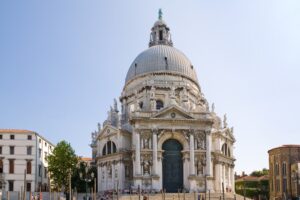
Every year, on 21 November, Venetians gather to honour Our Lady of Health, an event that combines religious devotion, tradition...
30 September 2026
What’s the Future of Religion?
What’s the Future of Religion?
A Beginner’s Guide to Christianity
A Beginner’s Guide to Christianity
Mind-Blowing Statistics About Christianity You Need to Know
Mind-Blowing Statistics About Christianity You Need to Know
9546
Enter the Holyart world: $20 discount voucher valid on over 60,000 items
Come and discover Holyart, the largest e-commerce of religious articles in Europe and immediately receive a $20 voucher to use with your first purchase.
Check your mailbox: you will receive your discount within 5 minutes