


Antique Russian icon, "Don't cry for me, Mother", early 19th century, 12.2x10.2 in
Antique Russian icon, "Don't cry for me, Mother", early 19th century, 12.2x10.2 in.
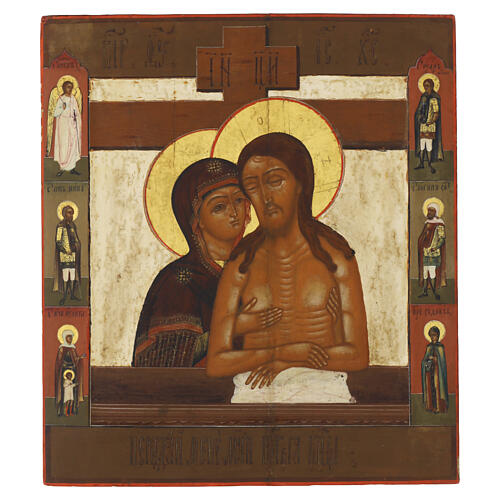
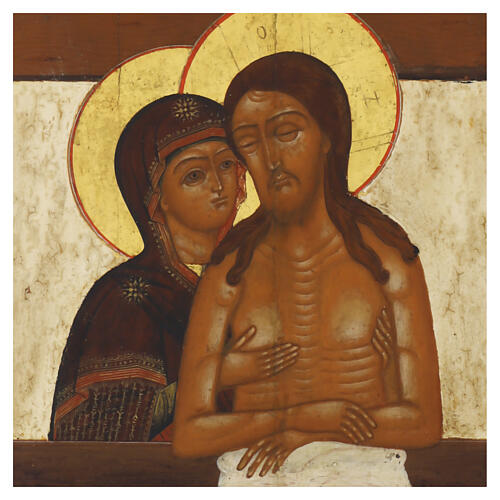
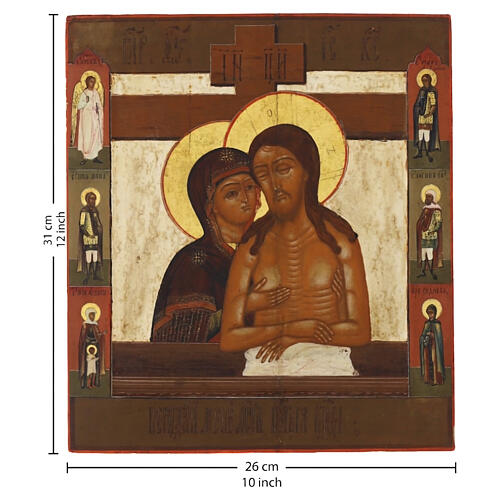
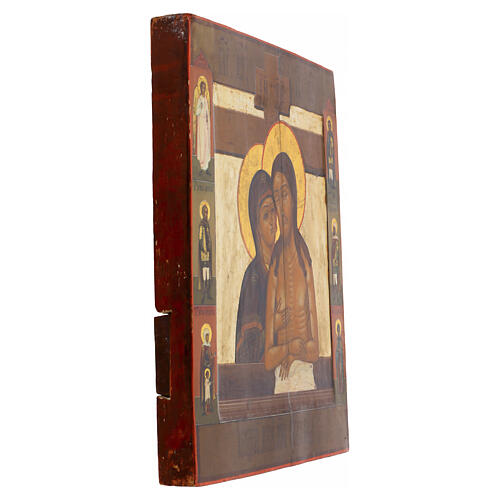
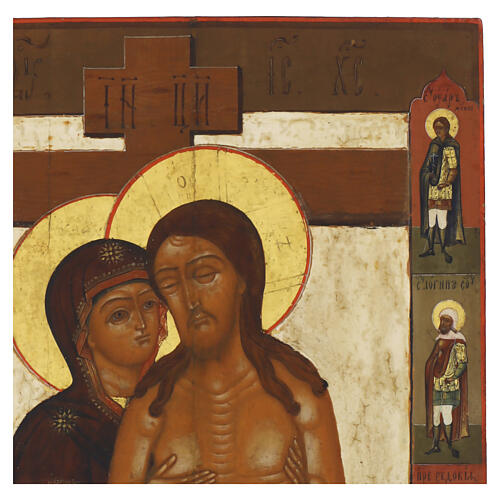
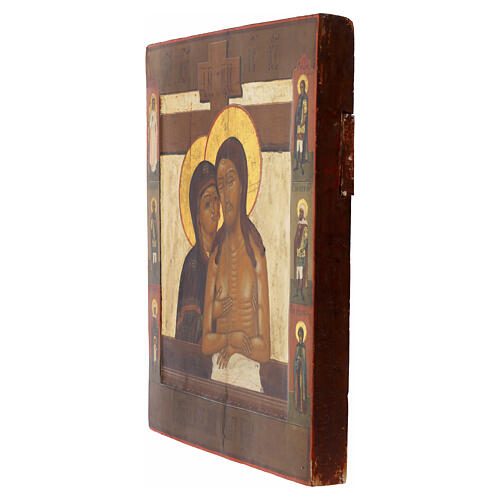
Antique Russian icon "Don't cry for me, mother", from Central Russia, datable to the early 19th century, made of egg tempera on wood with levkas. Dimensions: 12.2x10.2 in.
The iconography belongs to the Imago Pietatis theme, which originated in Constantinople in the 12th century. Christ is portrayed dead yet upright, emerging from the tomb, an image that centres on the mystery of the Passion and the redemptive sacr...
Info and features
Antique Russian icon, "Don't cry for me, Mother", early 19th century, 12.2x10.2 in.
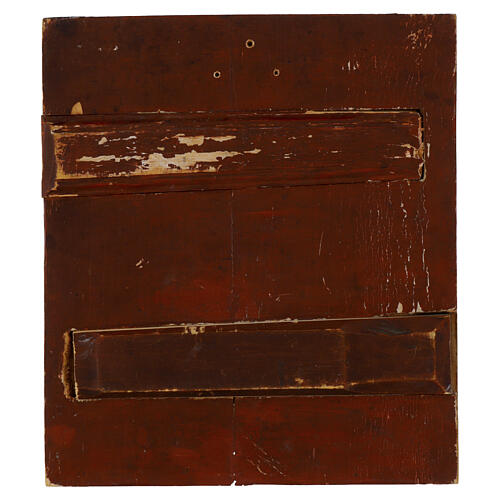
Antique Russian icon "Don't cry for me, mother", from Central Russia, datable to the early 19th century, made of egg tempera on wood with levkas. Dimensions: 12.2x10.2 in.
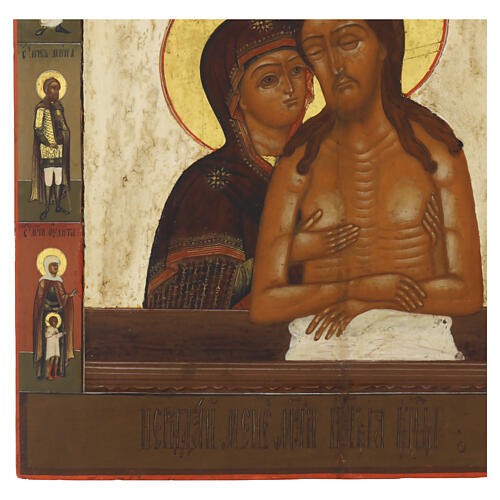
The iconography belongs to the Imago Pietatis theme, which originated in Constantinople in the 12th century. Christ is portrayed dead yet upright, emerging from the tomb, an image that centres on the mystery of the Passion and the redemptive sacrifice of Christ, depicted as the Bridegroom who, through the Cross, brings forth a new humanity.
The title "Don't cry for me, Mother" evokes the spiritual dialogue between Christ and the Virgin. Mary is presented as a figure of the Church and of maternal compassion; in some variants of the scene Saint John, the holy women and other disciples may also appear in the lamentation.
The origin of this iconography has often been linked to the exhibition of the Shroud in Constantinople, a circumstance that may have influenced the depiction of Christ's body and the inclination of the head. The subject thus combines devotional intent, liturgical symbolism and the memory of the Passion.
The work is executed in the traditional technique of egg tempera on levkas, typical of Russian icon painting, and its composition reflects the spirituality and figurative language of the period.
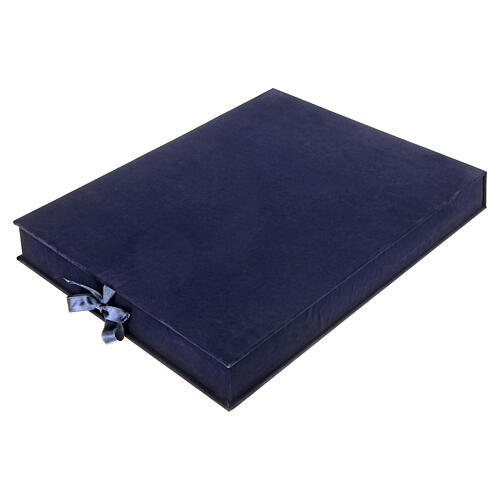
Accompanied by an expert appraisal and presented in a blue velvet case.
Provenance: Central Russia
Period: early 19th century
Technique: egg tempera on levkas
Materials: wood and levkas
Dimensions: 12.2x10.2 in
Contents: expert appraisal and blue velvet case.